
Custom Software Development in Pittsburgh, Pennsylvania

Custom Software Development in Pittsburgh, Pennsylvania

Pittsburgh's software ecosystem runs on a different kind of ambition , one forged at Carnegie Mellon, backed by UPMC Enterprises, and validated by the $2.29 billion in venture capital that flowed into the region in 2025 alone. We build production-ready software for the founders and product teams operating inside it , launched and live in 8 weeks, without the months of overhead that slow most projects down before the first line of code is written.

Pittsburgh's software ecosystem runs on a different kind of ambition , one forged at Carnegie Mellon, backed by UPMC Enterprises, and validated by the $2.29 billion in venture capital that flowed into the region in 2025 alone. We build production-ready software for the founders and product teams operating inside it , launched and live in 8 weeks, without the months of overhead that slow most projects down before the first line of code is written.

Agency of acceleration

Agency of acceleration

Adeocode builds alongside Pittsburgh's most technically demanding operators , turning complex product requirements into deployed, working systems in 8 weeks. The Steel City didn't reinvent itself into one of the country's leading AI and robotics markets by moving slowly. The founders and product teams building here don't have that luxury either, and neither does our development process. What we deliver at the end of every engagement is production software that handles real users, real data, and real scale from day one.

Close-up of two smiling friends with freckles, bright makeup, on a light blue background—joyful, inclusive brand portrait.

0 Weeks

0 Weeks

Weeks to working MVP

0 Weeks

0 Weeks

Weeks to working MVP

0 MVPs

0 MVPs

Since 2022

0 MVPs

0 MVPs

Since 2022

$0M Raised

$0M Raised

Products built by us

$0M Raised

$0M Raised

Products built by us

0 Drama

0 Drama

We don’t sell decks. We ship software.

0 Drama

0 Drama

We don’t sell decks. We ship software.

The Steel City became the AI city. The software has to match that standard.

Pittsburgh's transformation from an industrial capital into the country's most concentrated AI hub outside Silicon Valley is not a rebranding exercise , it's the product of decades of compounding investment in research, talent, and infrastructure that now attracts companies the same way Pittsburgh once attracted steel mills. Carnegie Mellon University's School of Computer Science and Robotics Institute are ranked among the best in the world, and their output doesn't just fill Pittsburgh companies , it draws global firms to open offices here specifically to be adjacent to that talent.

Google established a major Pittsburgh presence at Bakery Square's AI Avenue to operate closer to CMU's research pipeline. Duolingo was founded in Pittsburgh by CMU alumni and chose to keep its headquarters here through its IPO and beyond. Skild AI raised a $500 million Series B, Abridge secured $565 million across two rounds to build AI-powered clinical documentation, and Gecko Robotics closed a $122 million Series D , all out of Pittsburgh, all in recent cycles, all in a market where $2.06 billion in institutional venture capital landed in a single year, more than doubling the prior year's total.

Innovation Works, the region's lead early-stage investor, and AlphaLab, one of the country's most active hardware accelerators, provide the infrastructure that takes CMU and University of Pittsburgh research output and turns it into venture-backed companies.

The University of Pittsburgh's research enterprise crossed $1.2 billion in annual spending in 2025, feeding a life sciences and healthcare technology pipeline that runs directly into UPMC , one of the largest nonprofit health systems in the country and one of the most active investors in digital health through its UPMC Enterprises venture arm, which added nine new portfolio companies in 2025 alone. Highmark Health anchors the other side of Pittsburgh's healthcare market, and the Pittsburgh Life Sciences Alliance , a formal collaboration between CMU, Pitt, UPMC, Highmark, the Henry L. Hillman Foundation, and the Richard King Mellon Foundation , has positioned the city as a deliberate destination for biotech and healthtech investment at a scale that few metro areas can replicate.

The Oakland Innovation District, running along Forbes Avenue between the CMU and Pitt campuses with the tagline "Next Happens Here," concentrates research, startup activity, and corporate R&D in a geographic footprint dense enough to generate the kind of accidental collisions that produce company-defining opportunities. Robotics Row in Lawrenceville , anchored by CMU's National Robotics Engineering Center , has become one of the fastest-growing clusters of robotics startups in the country.

AI Avenue at Bakery Square hosts more than twenty AI-focused companies, including a recently constructed SCIF facility pulling defense and government AI contracts into the East End. In Pittsburgh, the technical standard isn't set by what's typical , it's set by the university labs and research spinouts that the city's product companies have to compete with for talent every day.

Industries We Serve in Pittsburgh

AI & Robotics Software Development in Pittsburgh

Perception systems, autonomous decision engines, real-time data pipelines, robot operating software, and the enterprise platforms that manage and deploy autonomous hardware at scale. Pittsburgh's robotics and AI cluster spans more than 250 companies across 18 industry verticals, and the software serving them operates in environments where latency, reliability, and safety constraints are non-negotiable from the first deployment.

Healthcare & Life Sciences Technology

Clinical documentation platforms, healthcare data interoperability systems, prior authorization workflows, patient engagement infrastructure, and digital health tooling built for organizations operating inside UPMC's and Highmark's networks , two of the country's largest integrated health systems, both headquartered in Pittsburgh and both actively investing in the software that modernizes clinical operations. The Pittsburgh Life Sciences Alliance has created one of the most concentrated intersections of research funding and commercial healthcare technology investment in the country.

Autonomous Systems & Defense Software

Mission-critical software for autonomous vehicle platforms, off-road and unmanned systems, navigation and mapping infrastructure, and the compliance-grade tooling that defense and government contracts require. Pittsburgh's position as a Top 10 U.S. market for autonomous vehicle investment , anchored by companies like Aurora, Motional, and Neya , and its growing SCIF-enabled defense technology presence at Bakery Square have created a serious market for software built to operate in unstructured environments and regulated government frameworks.

Enterprise SaaS & B2B Platform Development

Multi-tenant SaaS architecture, internal operations software, B2B workflow platforms, and enterprise tooling built for the mid-market and large-enterprise buyers that Pittsburgh's finance, manufacturing, and professional services economy produces. The same institutional rigor that Pittsburgh's research universities apply to technical problems shapes what enterprise buyers here expect from the software vendors they evaluate , and products that can't demonstrate architectural depth rarely survive the procurement process.

EdTech & Learning Platform Development

Adaptive learning systems, assessment platforms, content delivery infrastructure, and educational data pipelines built in the city that produced Duolingo , the most downloaded language learning application on earth, built by CMU alumni who stayed in Pittsburgh and scaled it to half a billion users. The concentration of education research expertise at Carnegie Mellon and the University of Pittsburgh makes this market unusually sophisticated, and the software competing inside it has to be built to that level.

The Steel City became the AI city. The software has to match that standard.

Pittsburgh's transformation from an industrial capital into the country's most concentrated AI hub outside Silicon Valley is not a rebranding exercise , it's the product of decades of compounding investment in research, talent, and infrastructure that now attracts companies the same way Pittsburgh once attracted steel mills. Carnegie Mellon University's School of Computer Science and Robotics Institute are ranked among the best in the world, and their output doesn't just fill Pittsburgh companies , it draws global firms to open offices here specifically to be adjacent to that talent.

Google established a major Pittsburgh presence at Bakery Square's AI Avenue to operate closer to CMU's research pipeline. Duolingo was founded in Pittsburgh by CMU alumni and chose to keep its headquarters here through its IPO and beyond. Skild AI raised a $500 million Series B, Abridge secured $565 million across two rounds to build AI-powered clinical documentation, and Gecko Robotics closed a $122 million Series D , all out of Pittsburgh, all in recent cycles, all in a market where $2.06 billion in institutional venture capital landed in a single year, more than doubling the prior year's total.

Innovation Works, the region's lead early-stage investor, and AlphaLab, one of the country's most active hardware accelerators, provide the infrastructure that takes CMU and University of Pittsburgh research output and turns it into venture-backed companies.

The University of Pittsburgh's research enterprise crossed $1.2 billion in annual spending in 2025, feeding a life sciences and healthcare technology pipeline that runs directly into UPMC , one of the largest nonprofit health systems in the country and one of the most active investors in digital health through its UPMC Enterprises venture arm, which added nine new portfolio companies in 2025 alone. Highmark Health anchors the other side of Pittsburgh's healthcare market, and the Pittsburgh Life Sciences Alliance , a formal collaboration between CMU, Pitt, UPMC, Highmark, the Henry L. Hillman Foundation, and the Richard King Mellon Foundation , has positioned the city as a deliberate destination for biotech and healthtech investment at a scale that few metro areas can replicate.

The Oakland Innovation District, running along Forbes Avenue between the CMU and Pitt campuses with the tagline "Next Happens Here," concentrates research, startup activity, and corporate R&D in a geographic footprint dense enough to generate the kind of accidental collisions that produce company-defining opportunities. Robotics Row in Lawrenceville , anchored by CMU's National Robotics Engineering Center , has become one of the fastest-growing clusters of robotics startups in the country.

AI Avenue at Bakery Square hosts more than twenty AI-focused companies, including a recently constructed SCIF facility pulling defense and government AI contracts into the East End. In Pittsburgh, the technical standard isn't set by what's typical , it's set by the university labs and research spinouts that the city's product companies have to compete with for talent every day.

Industries We Serve in Pittsburgh

AI & Robotics Software Development in Pittsburgh

Perception systems, autonomous decision engines, real-time data pipelines, robot operating software, and the enterprise platforms that manage and deploy autonomous hardware at scale. Pittsburgh's robotics and AI cluster spans more than 250 companies across 18 industry verticals, and the software serving them operates in environments where latency, reliability, and safety constraints are non-negotiable from the first deployment.

Healthcare & Life Sciences Technology

Clinical documentation platforms, healthcare data interoperability systems, prior authorization workflows, patient engagement infrastructure, and digital health tooling built for organizations operating inside UPMC's and Highmark's networks , two of the country's largest integrated health systems, both headquartered in Pittsburgh and both actively investing in the software that modernizes clinical operations. The Pittsburgh Life Sciences Alliance has created one of the most concentrated intersections of research funding and commercial healthcare technology investment in the country.

Autonomous Systems & Defense Software

Mission-critical software for autonomous vehicle platforms, off-road and unmanned systems, navigation and mapping infrastructure, and the compliance-grade tooling that defense and government contracts require. Pittsburgh's position as a Top 10 U.S. market for autonomous vehicle investment , anchored by companies like Aurora, Motional, and Neya , and its growing SCIF-enabled defense technology presence at Bakery Square have created a serious market for software built to operate in unstructured environments and regulated government frameworks.

Enterprise SaaS & B2B Platform Development

Multi-tenant SaaS architecture, internal operations software, B2B workflow platforms, and enterprise tooling built for the mid-market and large-enterprise buyers that Pittsburgh's finance, manufacturing, and professional services economy produces. The same institutional rigor that Pittsburgh's research universities apply to technical problems shapes what enterprise buyers here expect from the software vendors they evaluate , and products that can't demonstrate architectural depth rarely survive the procurement process.

EdTech & Learning Platform Development

Adaptive learning systems, assessment platforms, content delivery infrastructure, and educational data pipelines built in the city that produced Duolingo , the most downloaded language learning application on earth, built by CMU alumni who stayed in Pittsburgh and scaled it to half a billion users. The concentration of education research expertise at Carnegie Mellon and the University of Pittsburgh makes this market unusually sophisticated, and the software competing inside it has to be built to that level.

Software Development services in Pittsburgh for Startups and Enterprises

We work with Pittsburgh companies across the full development lifecycle , from the architecture session that determines how your system will scale to the deployment that puts it in front of real users. Whether you're a technical founder who needs a production platform before your next UPMC Enterprises pitch, or an established team that has hit the ceiling of what the system you've been running on can actually support, we build for the stage you're in and the stage you're heading toward.

#01

Custom SaaS Platforms

Pittsburgh's enterprise and institutional buyers , hospital systems, government agencies, robotics manufacturers, and the corporate research partners that orbit CMU and Pitt , evaluate software with technical depth that most SaaS products aren't designed to survive. We build multi-tenant platforms from the ground up with the permissioning models, data isolation, audit infrastructure, and API architecture that those evaluations require, so a procurement review becomes an opportunity rather than an obstacle.

#02

CRMs & Admin Dashboards

The operational tools your team uses every day determine how fast they can move and how much manual work gets embedded into processes that should run automatically. When those tools are shaped around a commercial platform's generic data model instead of your business's actual logic, the mismatch compounds , reports require reconciliation, edge cases require workarounds, and the software starts dictating how your team operates rather than the other way around. We build operational tooling that fits the actual workflow.

#03

AI Integrations & Automations

Pittsburgh's AI ecosystem operates at a technical standard set by CMU's research output and the startups that spin out of it , which means the bar for what "AI integration" means in a production Pittsburgh product is higher than in most markets. We build machine learning pipelines, document intelligence systems, and automation infrastructure as core architectural components, not as bolt-on features. The result is AI capability that holds up under real data volumes and real failure conditions, not just under demo load.

#04

UX/UI Design & Prototyping

Technical depth without a usable surface creates software that your team understands but your customers don't. We design product interfaces built for the workflows that actually exist , not the simplified version that looks clean in a Figma presentation. In Pittsburgh's institutional market, where software gets evaluated by technical committees who look past the visual layer and operational users who live inside the interface every day, both dimensions matter.

#05

API & Third-Party Integrations

Pittsburgh's healthcare and robotics software markets run on integration layers , HL7 FHIR, EHR connectors, robotics middleware, DoD data standards, and the industrial APIs that connect software platforms to the physical systems they manage. We build those integrations with the error isolation, authentication handling, and observability infrastructure they need to stay stable when connected systems behave unexpectedly , which in production environments is a matter of when, not if.

#06

Technical Strategy & Roadmapping

Pittsburgh produces some of the most technically sophisticated founders in the country , CMU and Pitt alumni who understand computer science deeply but are making their first production architecture decisions under real commercial constraints. We work through those decisions with you before any code is written: honest assessments of stack choices, database design, cloud architecture, and the third-party dependencies that will either accelerate your product or create the kind of technical debt that slows every subsequent sprint.

Software Development services in Pittsburgh for Startups and Enterprises

We work with Pittsburgh companies across the full development lifecycle , from the architecture session that determines how your system will scale to the deployment that puts it in front of real users. Whether you're a technical founder who needs a production platform before your next UPMC Enterprises pitch, or an established team that has hit the ceiling of what the system you've been running on can actually support, we build for the stage you're in and the stage you're heading toward.

#01

Custom SaaS Platforms

Pittsburgh's enterprise and institutional buyers , hospital systems, government agencies, robotics manufacturers, and the corporate research partners that orbit CMU and Pitt , evaluate software with technical depth that most SaaS products aren't designed to survive. We build multi-tenant platforms from the ground up with the permissioning models, data isolation, audit infrastructure, and API architecture that those evaluations require, so a procurement review becomes an opportunity rather than an obstacle.

#02

CRMs & Admin Dashboards

The operational tools your team uses every day determine how fast they can move and how much manual work gets embedded into processes that should run automatically. When those tools are shaped around a commercial platform's generic data model instead of your business's actual logic, the mismatch compounds , reports require reconciliation, edge cases require workarounds, and the software starts dictating how your team operates rather than the other way around. We build operational tooling that fits the actual workflow.

#03

AI Integrations & Automations

Pittsburgh's AI ecosystem operates at a technical standard set by CMU's research output and the startups that spin out of it , which means the bar for what "AI integration" means in a production Pittsburgh product is higher than in most markets. We build machine learning pipelines, document intelligence systems, and automation infrastructure as core architectural components, not as bolt-on features. The result is AI capability that holds up under real data volumes and real failure conditions, not just under demo load.

#04

UX/UI Design & Prototyping

Technical depth without a usable surface creates software that your team understands but your customers don't. We design product interfaces built for the workflows that actually exist , not the simplified version that looks clean in a Figma presentation. In Pittsburgh's institutional market, where software gets evaluated by technical committees who look past the visual layer and operational users who live inside the interface every day, both dimensions matter.

#05

API & Third-Party Integrations

Pittsburgh's healthcare and robotics software markets run on integration layers , HL7 FHIR, EHR connectors, robotics middleware, DoD data standards, and the industrial APIs that connect software platforms to the physical systems they manage. We build those integrations with the error isolation, authentication handling, and observability infrastructure they need to stay stable when connected systems behave unexpectedly , which in production environments is a matter of when, not if.

#06

Technical Strategy & Roadmapping

Pittsburgh produces some of the most technically sophisticated founders in the country , CMU and Pitt alumni who understand computer science deeply but are making their first production architecture decisions under real commercial constraints. We work through those decisions with you before any code is written: honest assessments of stack choices, database design, cloud architecture, and the third-party dependencies that will either accelerate your product or create the kind of technical debt that slows every subsequent sprint.

Our 8-Week MVP Development Process for Startups

Our 8-Week MVP Development Process for Startups

Six months is what most agencies quote as standard. In Pittsburgh , where Abridge raised $565 million to build AI-powered clinical documentation that changes how physicians work, where Gecko Robotics secured $122 million to deploy autonomous inspection systems across industrial infrastructure, and where Innovation Works has backed hundreds of companies on the principle that great software doesn't have to spend a year in development before it reaches the market , six months is the kind of timeline that lets a competitor close a UPMC Enterprises deal and ship two major product updates while your platform is still in design review. Our process was designed around one principle: if a phase doesn't produce something the product directly needs, it doesn't happen. What's left is a focused 8-week sprint with clear milestones and a deployed system at the finish line.

Week 1

Get aligned with Adeo

✓ Kickoff & workflow mapping

✓ Product blueprint finalized

✓ Tech stack & architecture locked

week 4

See it come alive.

✓ Clickable prototype delivered

✓ Core backend & auth online

✓ First workflow running end-to-end

week 8

Launch your product.

✓ Full platform shipped to production

✓ Your team onboarded & trained

✓ Clear roadmap for Phase 2
Selected works

that made a real impact

Selected works

that made a real impact

'22 - Present

'22 - Present

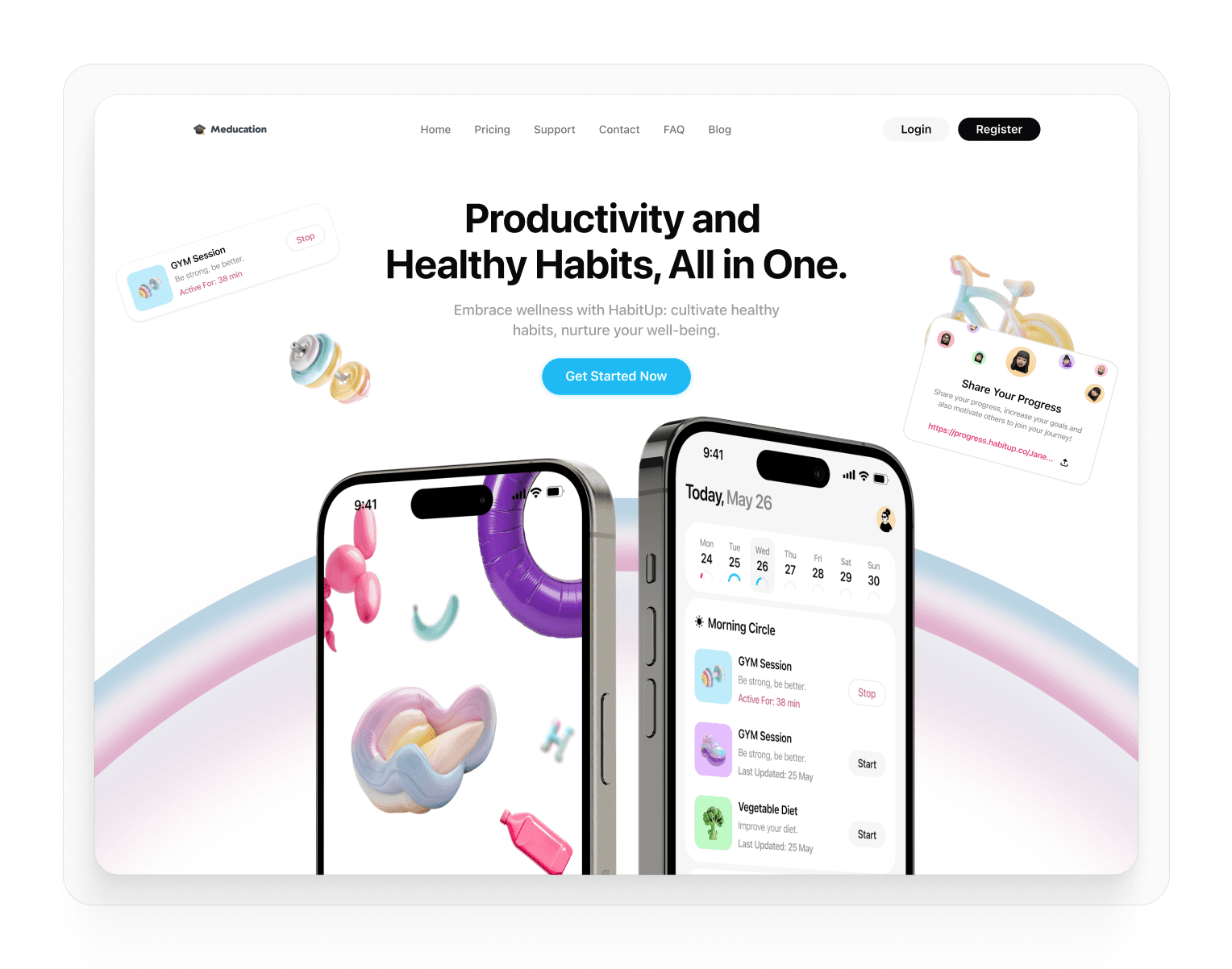
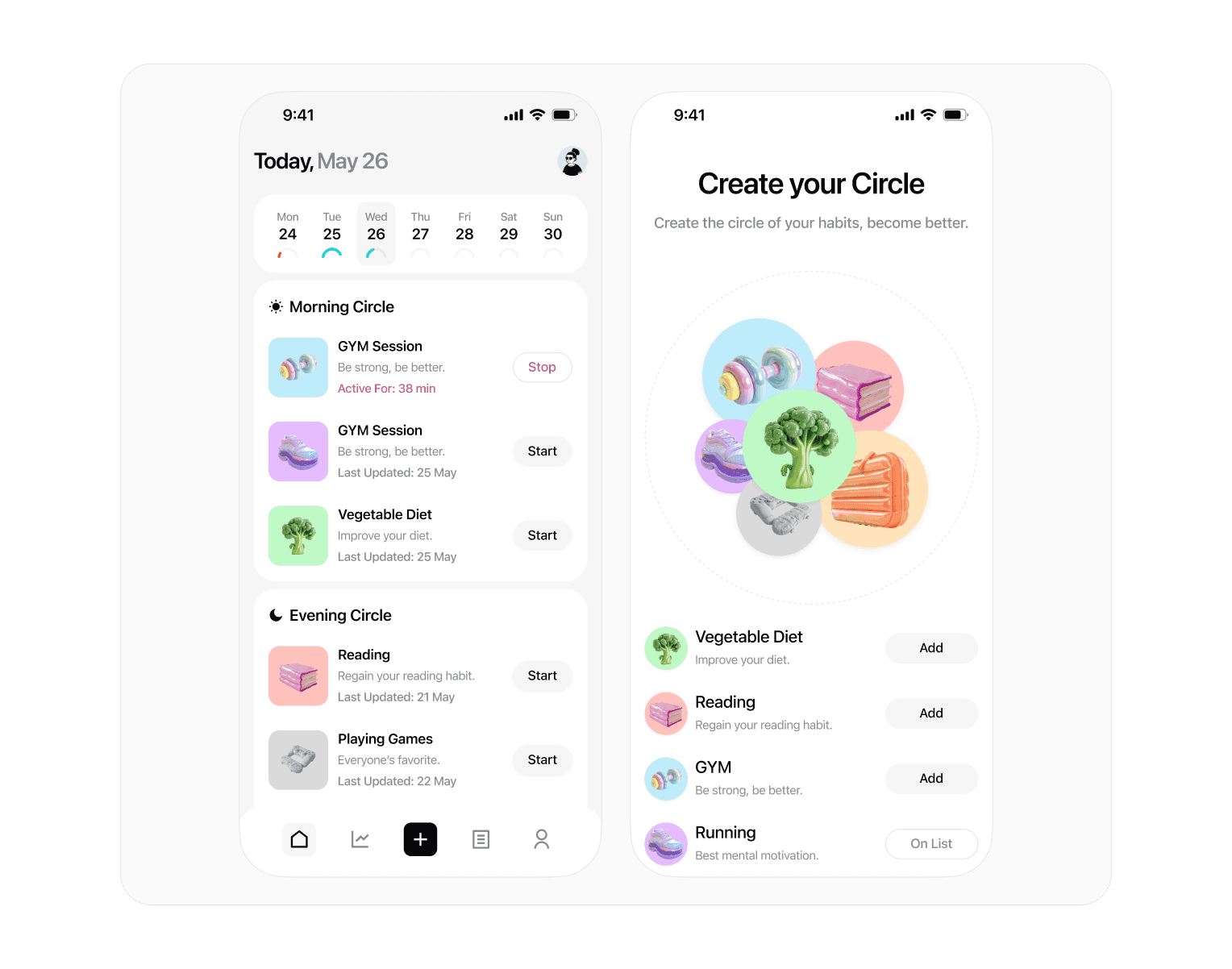
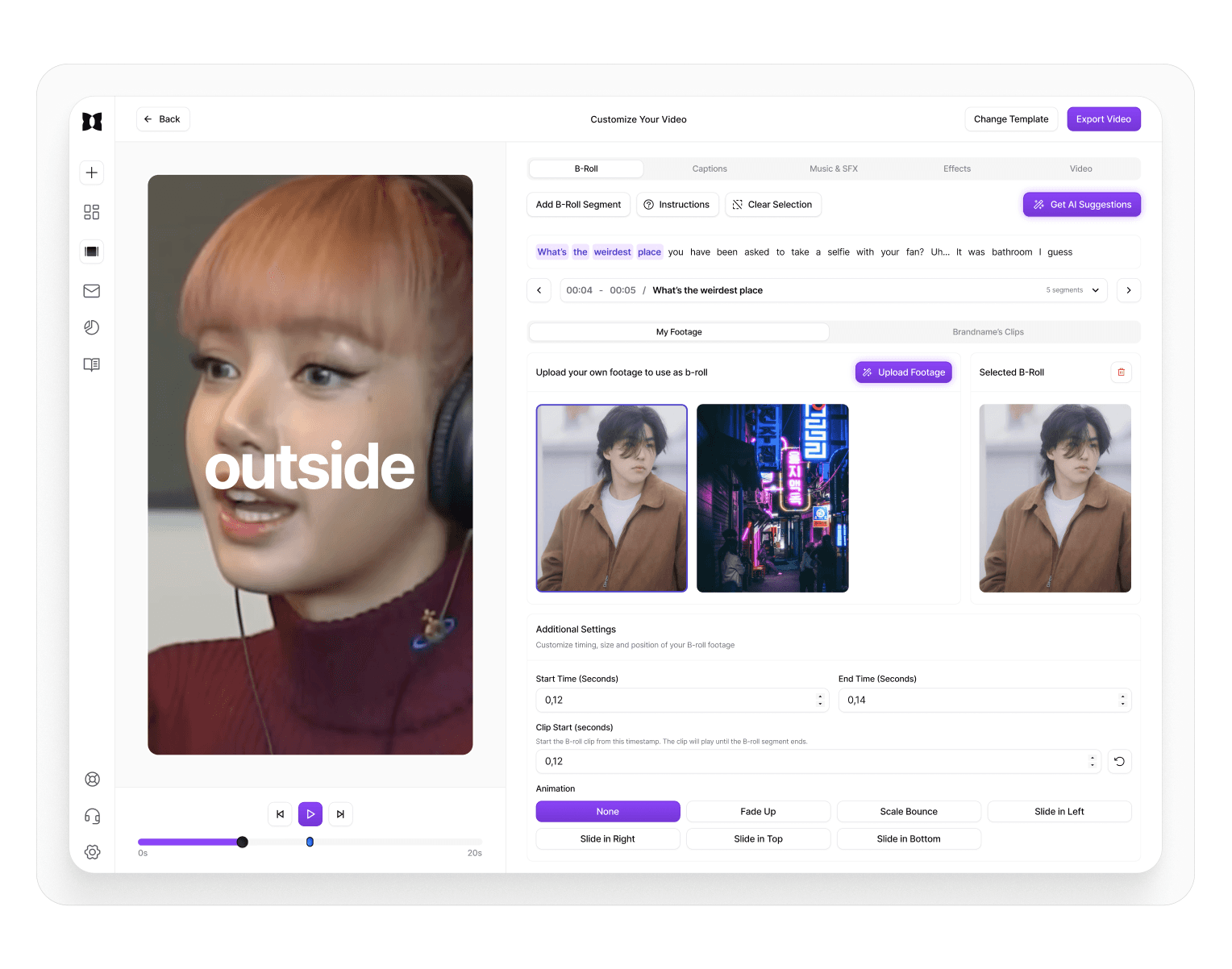
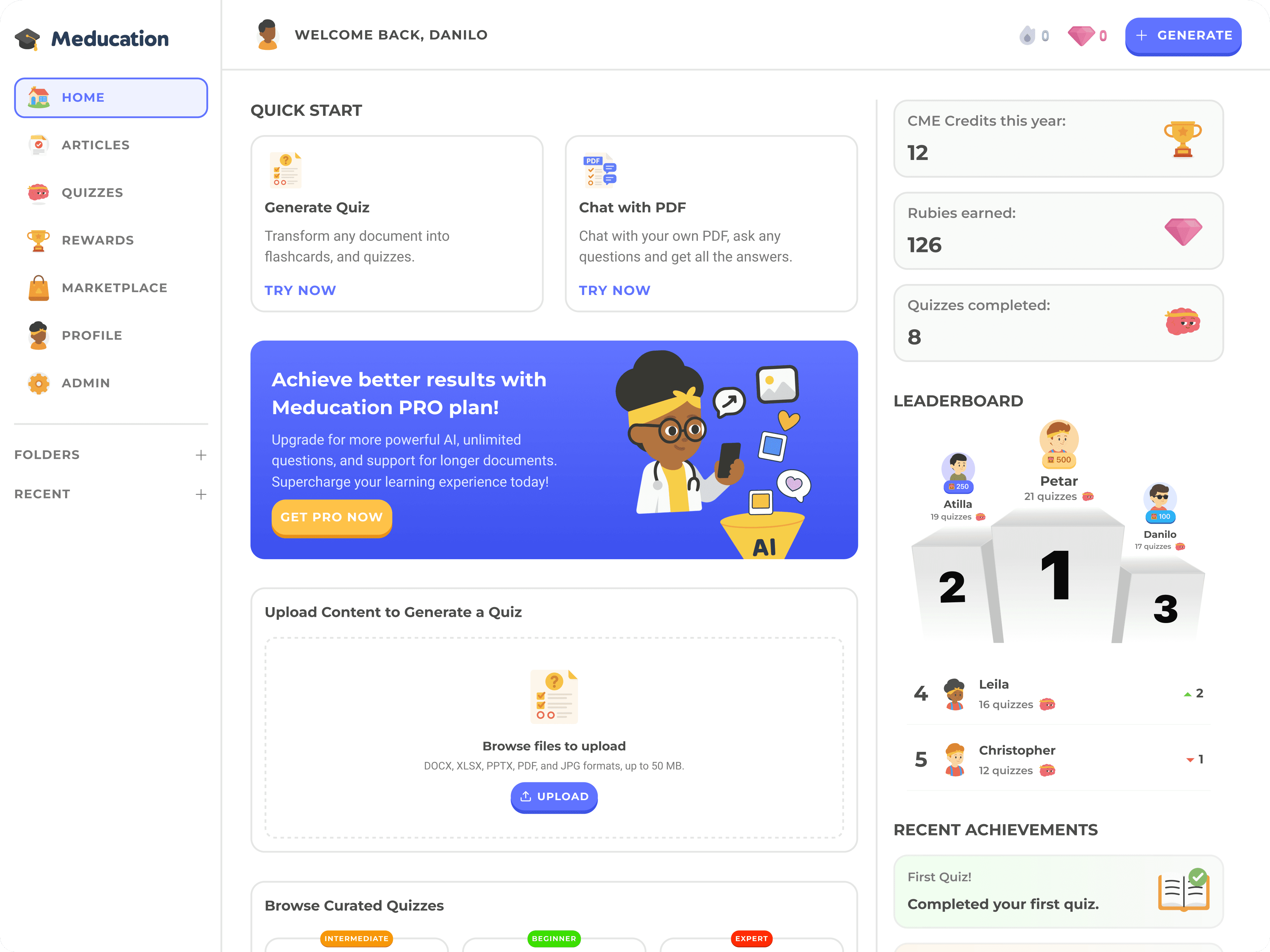
Meducation — AI-powered medical learning platform

Meducation — AI-powered medical learning platform

Helping clinicians learn smarter with auto-generated quizzes, uploads, gamification, and a CME-ready interface.

Helping clinicians learn smarter with auto-generated quizzes, uploads, gamification, and a CME-ready interface.

Client:

Meducation

Year:

2025

Industry:

Education & Health

Duration:

8 Weeks

Services:

Brand Identity

UI / UX Design

CRM Development

AI Development
Working with Adeo was a breeze. I came to them with an idea and software product, and they quickly created a beautiful landing page and website

Working with Adeo was a breeze. I came to them with an idea and software product, and they quickly created a beautiful landing page and website

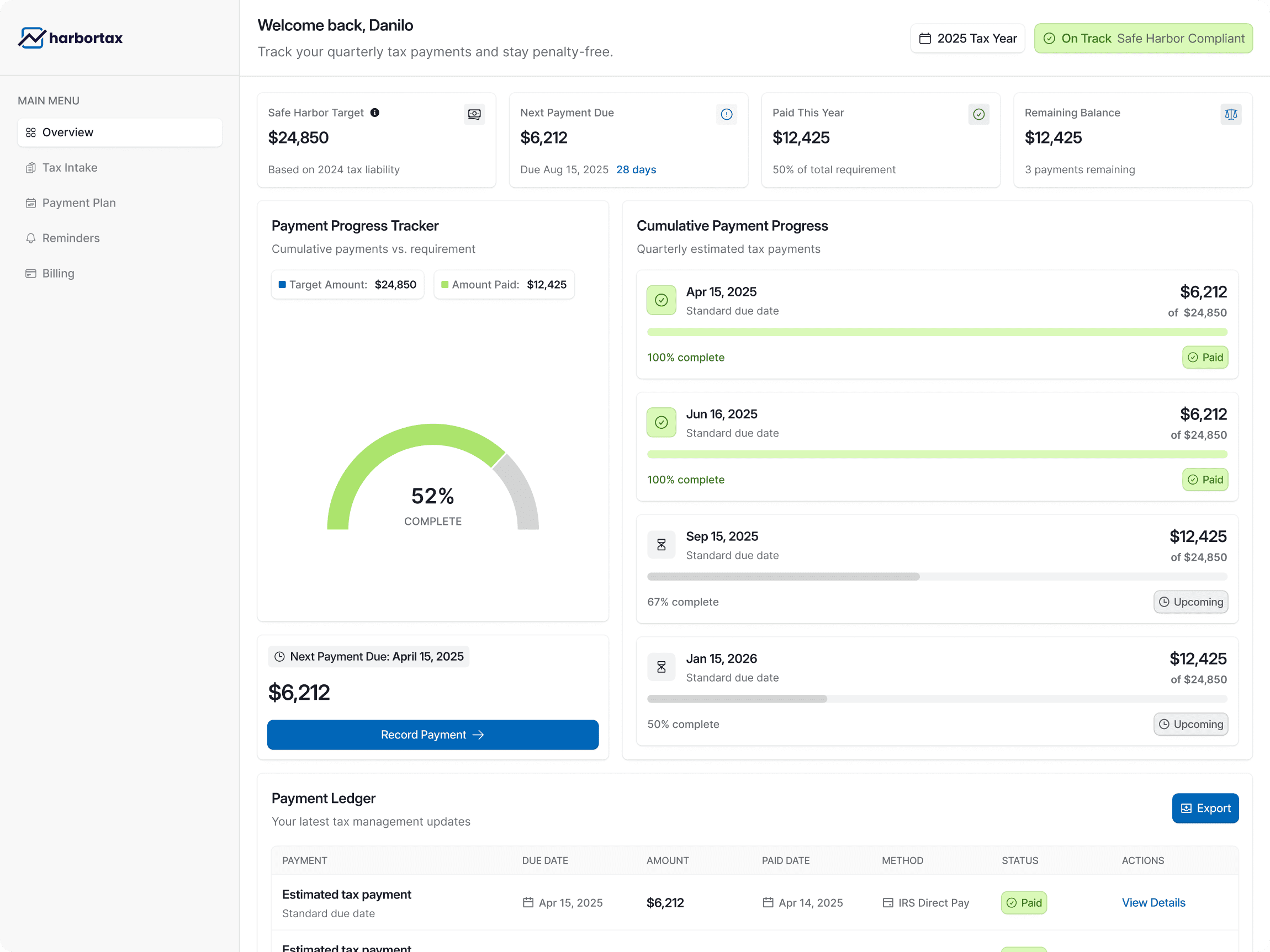
Harbortax — Tax tracking CRM

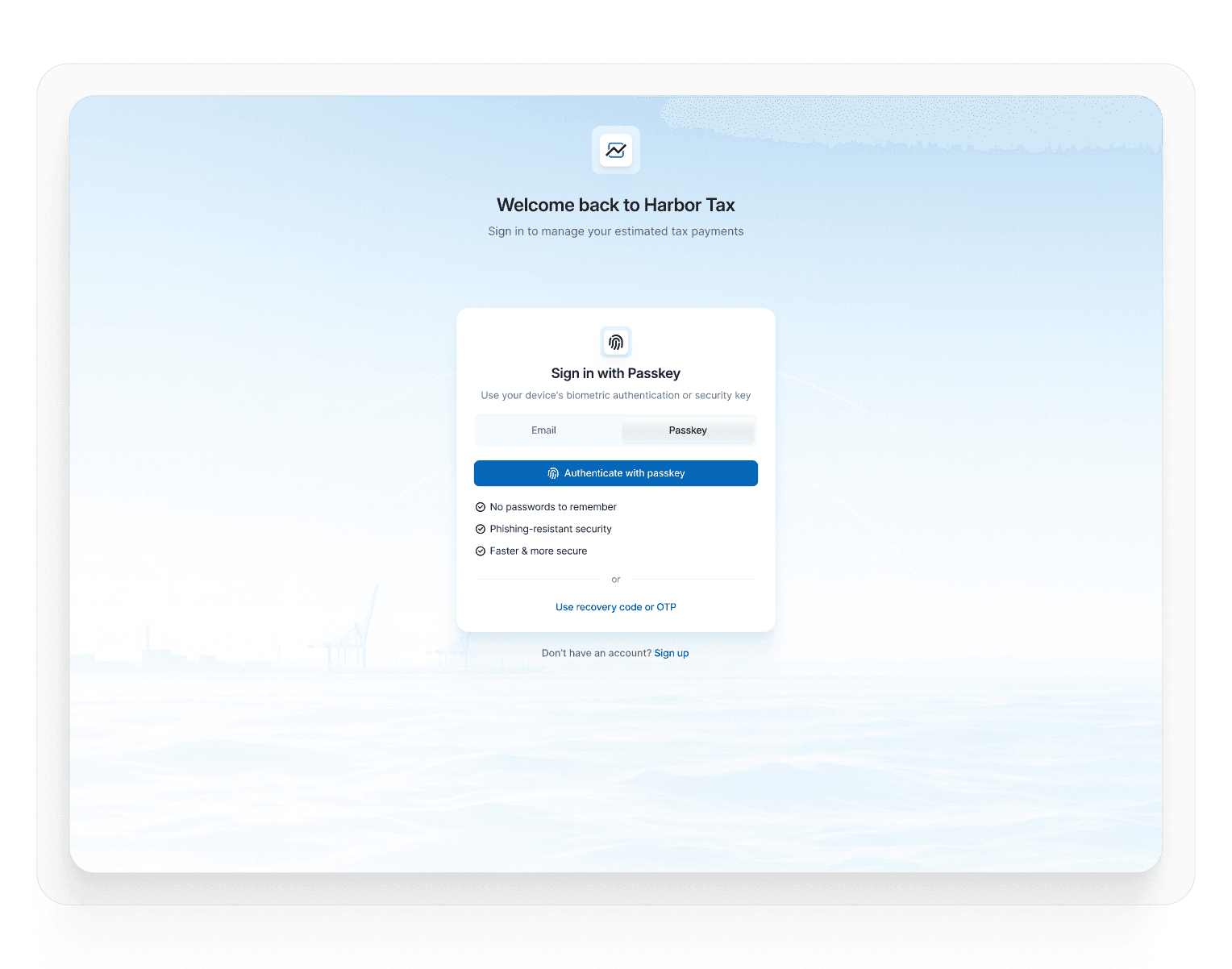
Harbortax — Tax tracking CRM

From branding to websites and no-code development, we help visionary teams design, build, and launch digital products fast.

From branding to websites and no-code development, we help visionary teams design, build, and launch digital products fast.

Client:

Harbortax

Year:

2025

Industry:

Finance

Duration:

8 Weeks

Services:

Brand Identity

UI / UX Design

CRM Development

AI Development
Working with Adeo was a breeze. I came to them with an idea and software product, and they quickly created a beautiful landing page and website

Working with Adeo was a breeze. I came to them with an idea and software product, and they quickly created a beautiful landing page and website

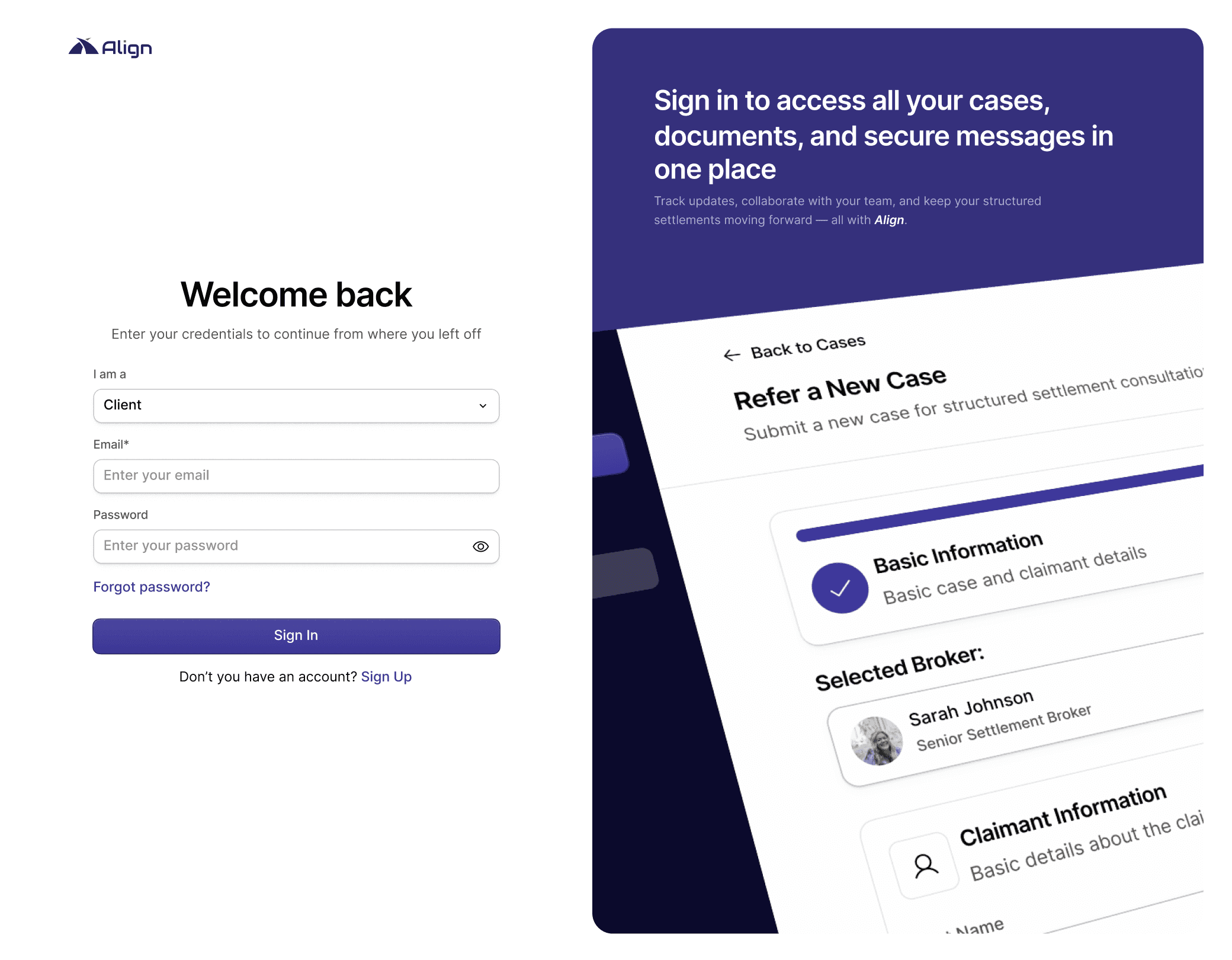
Align — Structured Settlement Referral Platform

Align Structured Settlement Referral Platform

A multi-role platform that streamlines structured settlement referrals with case tracking, secure messaging, and document workflows.

A multi-role platform that streamlines structured settlement referrals with case tracking, secure messaging, and document workflows.

Client:

Align

Year:

2025

Industry:

Finance

Duration:

8 Weeks

Services:

Brand Identity

UI / UX Design

CRM Development

AI Development

Working with Adeo was a breeze. I came to them with an idea and software product, and they quickly created a beautiful landing page and website

Working with Adeo was a breeze. I came to them with an idea and software product, and they quickly created a beautiful landing page and website

Why We're a Leading Software Development Company in Pittsburgh

Why We're a Leading Software Development Company in Pittsburgh

Custom Software Development vs Off the Shelf Tools

Custom Software Development vs Off the Shelf Tools

Packaged software is designed for the broadest possible customer base , which means it was built for the average workflow, not for the specific data pipelines, compliance requirements, and integration layers that Pittsburgh's AI, healthcare, and robotics companies actually run on. The gap between what a commercial platform can do and what your operation demands shows up in the places that matter most: manual steps that shouldn't exist, integration behavior that only breaks under the conditions your real users create, and vendor roadmaps that evolve on a timeline that has nothing to do with yours. Our custom development work in Pittsburgh starts with a precise understanding of where those gaps are costing the most , the workflows a packaged tool can't handle cleanly and the technical constraints it doesn't account for at all. What we build is designed around your operation, not retrofitted to fit inside one.

OFF-THE-SHELF

70% of features unused

Forced workarounds

Subscription forever

You adapt to the tool

VS

VS

ADEOCODE

Built for your workflow

You own the code

No lock-in

Tool adapts to you

Typical Agency

6 months to MVP

ADEOCODE

8 weeks to MVP

Better quality. Radically different timeline.

Scalable Architecture for Growing Nashville Companies

Scalable Architecture for Growing Nashville Companies

The technical decisions that feel low-stakes when your platform has a hundred users become expensive constraints when it has ten thousand. Every system we build is architected from the first session with growth as a structural requirement , data models that stay coherent as usage compounds, service boundaries that absorb new capability without destabilizing existing production behavior, and infrastructure configurations that handle load increases without requiring emergency intervention when a partnership or funding announcement drives a sudden spike in demand.

In Pittsburgh, where Abridge went from a clinical AI startup to a $565 million company serving physicians at major health systems, and where Skild AI raised $500 million on the strength of a robotics foundation model that has to perform reliably across every physical environment it encounters, building software that only works at your current scale is a liability that compounds exactly when you can least afford it. We build for where the product is going, not just for where it is.

Founders talk to founders, not account managers

Founders talk to founders, not account managers

Pittsburgh produces technically exceptional founders , engineers and researchers who know what good software looks like and have no patience for the version of agency engagement that performs competence without delivering it. A sales team that closes a deal and then hands the relationship to a project manager who was never part of the scoping conversation creates the same problem in every market: by the time a developer is writing code, the requirements have passed through enough interpretation that what gets built is a plausible approximation of what was asked for, not the precise thing.

At Adeocode, the founders who scope the project are the ones designing the architecture and writing the code. The person who asks the hard product questions in Week 1 is making technical decisions in Week 3 and reviewing the production deployment in Week 8. What you describe is what gets built, without a translation layer between the intent and the implementation.

Typical Agency

Sales

PM

Lead Dev

You

ADEOCODE

CEO

YOU

Success Stories from Founders

Success Stories from Founders

Pittsburgh founders come to us when working software is what the next conversation requires , not a presentation about what the software will eventually do. In a market where the technical bar is set by CMU research labs and UPMC Enterprises portfolio companies, the products that earn attention are the ones that already work. These are some of the outcomes that follow when planning gives way to production.


AdeoCode collapsed six scattered tools into one unified platform in under 8 weeks.

 We cut 80% of our software costs instantly.

Jan Dittrich

The prototype Adeo built became the centerpiece of our pitch.

 Two weeks later, we closed a $480K pre-seed.

Michael Riddering

Our workflows were a mess across multiple tools. Adeo rebuilt everything into one clean system — and our team finally aligned.

James Traf

AdeoCode collapsed six scattered tools into one unified platform in under 8 weeks.

 We cut 80% of our software costs instantly.

Jan Dittrich

The prototype Adeo built became the centerpiece of our pitch.

 Two weeks later, we closed a $480K pre-seed.

Michael Riddering

Our workflows were a mess across multiple tools. Adeo rebuilt everything into one clean system — and our team finally aligned.

James Traf

Questions Pittsburgh Founders Ask Us Most

Questions Nashville founders
ask us most

Do you work with early-stage Pittsburgh startups?

How is Adeocode different from other software development firms in Pittsburgh?

How long does development take?

How do you move this fast without sacrificing quality?

What kinds of companies in Pittsburgh do you typically work with?

Do you offer full-service development in Pittsburgh?

Will we own the code?

What support is available after launch?